
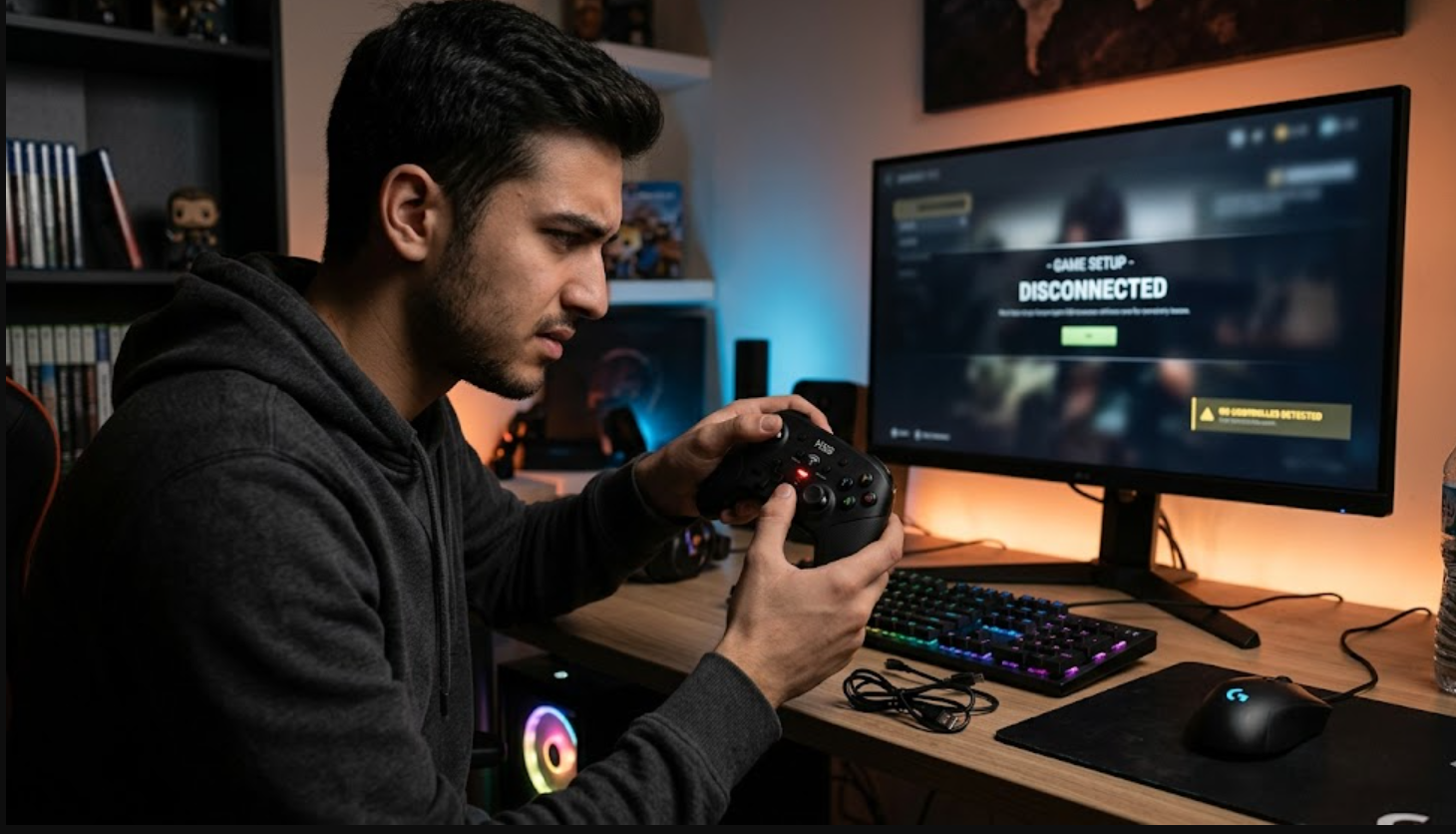
Connectivity issues HSSGamepad users face are often caused by a mix of technical and environmental factors rather than a single fault. One of the most frequent reasons is unstable Bluetooth pairing, especially when the controller has been previously connected to multiple devices. Low battery levels can also lead to random disconnections or delayed input, which many users mistakenly assume is a hardware defect. Additionally, outdated drivers or unsupported operating systems can prevent proper communication between the controller and the device. External interference from Wi-Fi routers, nearby wireless gadgets, or even USB 3.0 ports can further weaken the signal, making the connection unreliable. Understanding these common causes helps narrow down the problem quickly and sets the stage for applying the right fix effectively.
How to Properly Pair Your HSSGamepad
One of the most effective ways to resolve connectivity issues HSSGamepad users encounter is by ensuring the controller is paired correctly from the start. Improper pairing is a common reason why the device either fails to connect or disconnects frequently. Begin by turning on your HSSGamepad and activating pairing mode, which is usually done by holding a specific button combination until the indicator light starts flashing. Then, go to your device’s Bluetooth settings, remove any previously saved connections related to the controller, and search for new devices. Selecting the HSSGamepad from the list ensures a fresh and clean connection, which often resolves lingering pairing conflicts.
It’s also important to pair the controller in an environment with minimal interference and to keep the device within a reasonable range during setup. Many users overlook the importance of distance and signal clarity during the pairing process, which can lead to unstable connections later on. If the pairing fails on the first attempt, restarting both the controller and the device can help reset temporary glitches. Taking these simple but essential steps can significantly reduce recurring connectivity problems and ensure a stable gaming experience moving forward.
Fixing Bluetooth and Wireless Interference Issues
Bluetooth interference is a major contributor to connectivity issues HSSGamepad, especially in environments filled with multiple wireless devices. Signals from Wi-Fi routers, wireless headphones, keyboards, and even nearby smartphones can disrupt the connection between your gamepad and device. To minimize interference, try moving closer to your device and reducing the number of active Bluetooth connections nearby. Switching your Wi-Fi router to a different frequency band, such as 5 GHz, can also help reduce signal overlap. Additionally, avoid placing USB 3.0 devices near your Bluetooth receiver, as they are known to cause signal noise. Creating a cleaner wireless environment can dramatically improve connection stability and reduce lag or disconnections.
Updating Drivers and Firmware for Better Performance
Keeping your system updated is a crucial step in resolving connectivity issues HSSGamepad and ensuring smooth performance. Outdated Bluetooth drivers, operating systems, or controller firmware can prevent proper communication between devices, leading to frequent disconnections or failure to detect the gamepad altogether. On a PC, checking for updates through Device Manager or system updates can often resolve these issues quickly. For mobile devices or consoles, installing the latest software updates ensures better compatibility and improved stability when connecting external controllers.
Firmware updates for controllers are often overlooked but can significantly enhance connectivity and responsiveness. Manufacturers periodically release updates to fix bugs, improve signal strength, and address compatibility problems with newer devices. If your HSSGamepad supports firmware updates through an app or software tool, it’s worth checking regularly. By keeping both your device and controller fully updated, you reduce the risk of recurring connection problems and ensure a more reliable gaming experience.
Wired vs Wireless: Identifying the Real Problem
When dealing with connectivity issues HSSGamepad, testing both wired and wireless modes can help pinpoint the root cause. Connecting your gamepad via a USB cable allows you to determine whether the issue lies with Bluetooth connectivity or the controller itself. If the controller works perfectly when wired but fails wirelessly, the problem is likely related to Bluetooth interference, pairing, or driver issues. On the other hand, if problems persist even in wired mode, it may indicate a deeper hardware or compatibility issue. This simple comparison can save time and guide you toward the most effective solution without unnecessary guesswork.
Advanced Troubleshooting Tips for Persistent Issues
When basic fixes fail, persistent connectivity issues HSSGamepad often require more advanced troubleshooting steps. One effective method is performing a full reset of both the controller and the device it connects to. This clears cached Bluetooth data that may be corrupted and interfering with stable pairing. On PC, uninstalling and reinstalling Bluetooth drivers can also resolve hidden conflicts that standard updates don’t fix. Another useful step is disabling other nearby Bluetooth devices temporarily to isolate interference sources and test a clean connection environment.
If problems still continue, checking system-level settings becomes important. Some devices have power-saving modes that automatically reduce Bluetooth performance to conserve battery, which can cause random disconnections. Disabling these settings can improve stability. Additionally, testing the controller on a completely different device helps confirm whether the issue is hardware-related or software-related. These advanced steps are especially useful when standard fixes don’t fully resolve the problem and a deeper diagnostic approach is needed.
Real User Case Study and Practical Fixes
A common real-world example of connectivity issues HSSGamepad comes from users who experience frequent disconnects while gaming on Windows PCs. In one reported case, the controller initially paired successfully but kept dropping connection every few minutes. After basic troubleshooting failed, the user tested the gamepad on a smartphone and found it worked perfectly, confirming the issue was not hardware-related. The final fix involved updating the PC’s Bluetooth driver, disabling USB power-saving settings, and moving the Bluetooth adapter to a front USB port to reduce interference. Once these changes were applied, the connection became stable and consistent. This case highlights how layered problems often require a combination of fixes rather than a single solution.
Conclusion
Connectivity issues HSSGamepad can feel frustrating at first, but most of them come down to a few predictable causes like Bluetooth pairing errors, outdated drivers, wireless interference, or incorrect setup. The key to solving these problems is a structured approach—starting from simple fixes like re-pairing and battery checks, then moving toward driver updates, interference control, and advanced troubleshooting when needed. In many cases, users discover that the issue is not with the controller itself but with the environment or device configuration it’s connected to. By methodically testing both wired and wireless modes and keeping software up to date, you can usually restore a stable and responsive gaming experience without needing replacements or technical support.
FAQs
1. Why does my HSSGamepad keep disconnecting?
This usually happens due to Bluetooth interference, low battery, or outdated drivers.
2. How do I reset my HSSGamepad connection?
Forget the device in Bluetooth settings, restart both devices, and pair again from scratch.
3. Does wired mode help fix connectivity issues?
Yes, wired mode helps identify whether the problem is Bluetooth-related or hardware-related.
4. Can software updates fix HSSGamepad issues?
Yes, updating drivers and firmware often resolves bugs and improves connection stability.
For More Gossip’s and Information Visit Star Story Time
